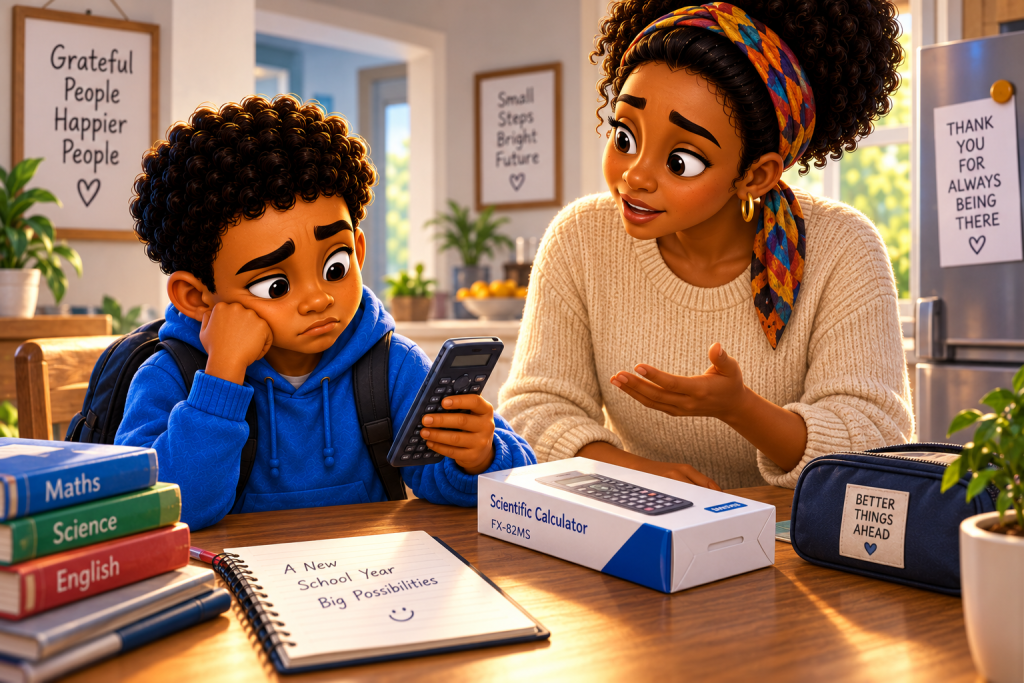
Raphael and Ella: The Trust Test

A Children’s Story About Earning Trust, Making Good Choices, and Second Chances
Lately, Raphael had been feeling frustrated. And Ella could tell. It was lunchtime. Ella found Raphael sitting alone on the bench, kicking at the grass with his shoe.
“Raphael, what’s wrong?” Ella asked, sitting beside him. “You’ve been grumpy all week.”
Raphael sighed. “My parents won’t let me have a phone.”
Ella raised her eyebrows. “But you had a phone last year. What happened?”
Raphael looked down. “They took it away.”
“Why?”
Raphael was quiet for a moment. Then he said, “Because I broke their trust.”
Ella waited patiently.
“I visited social media websites when they told me not to,” Raphael admitted. “And… I sometimes took the phone from where they hid it. At night. When I was supposed to be sleeping.”
Ella nodded slowly. “That’s a big deal, Raphael. Your parents gave you a phone to keep you safe and to communicate with them. But you used it in ways they didn’t agree with.”
“I know,” Raphael said miserably. “And now they don’t trust me. They said I have to earn it back.”
The New Rules
“So what are the rules now?” Ella asked.
Raphael kicked at the grass again. “They said I can only have the phone on days I’m returning late from school without planned arrangements. Like if there’s a club or something unexpected. They want to make sure I can reach them—but only when it’s absolutely necessary.”

“That makes sense,” Ella said gently. “They’re trying to keep you safe while also giving you a chance to rebuild trust.”
“But it’s not fair!” Raphael complained. “All my friends have phones. They can text whenever they want. They can play games. They can go on social media. Why can’t I?”
Ella thought for a moment. “Raphael, can I tell you something about my phone?”
“Sure.”
Ella’s Story
“My parents gave me a phone last year,” Ella said. “But it has a lot of restrictions. I can’t access social media. I can only text and call my parents and a few approved friends. I have a time limit—one hour a day.”
Raphael’s eyes widened. “That sounds terrible.”
“Actually,” Ella said, “it’s not. Because my parents trust me now. And do you know why?”
“Why?”
“Because I followed the rules,” Ella said simply. “I didn’t try to sneak around them. I didn’t visit websites I wasn’t supposed to. I used my phone to communicate with my parents when I went out. I showed them I was responsible.”
Raphael frowned. “So you just… did what they said?”
“Yes,” Ella said. “And because I did, they relaxed. They know they can trust me. They don’t worry when I go out because they know I’ll answer their calls. They know I’ll come home on time. They know I’ll make good choices.”
Raphael stared at the ground. “My parents don’t feel that way about me.”
“Not yet,” Ella said. “But they want to. That’s why they’re giving you a chance—even if it’s just on late days. They’re testing you, Raphael. They want to see if you can be trusted again.”
The Test
That afternoon, Raphael walked home slowly. He thought about what Ella said. He thought about the times he had taken the phone from its hiding place. The times he had visited websites his parents told him not to. The times he had lied about it.
He felt ashamed.
When he got home, his mum was in the kitchen.
“Raphael,” she said, “I need to talk to you.”
Raphael’s stomach tightened. “What did I do?”
“Nothing,” his mum said. “That’s the point. I wanted to tell you that I’m proud of you for not arguing about the phone rules. I know it’s hard. I know you want what your friends have. But your dad and I are trying to help you learn to use technology responsibly.”
Raphael looked at her. “I’m sorry, Mum. For taking the phone. For going on those websites. For lying.”
His mum’s eyes softened. “I know you are, sweetheart. And we want to trust you again. But trust isn’t just words. It’s actions. It’s making good choices—even when no one is watching.”
“I understand,” Raphael said quietly.
The First Late Day
A few weeks later, Raphael had a football match after school. It would finish late, and his parents wouldn’t be able to pick him up. So they gave him the phone.
“Remember the rules,” his dad said. “Only call us. No games. No social media. No websites.”
Raphael nodded. “I understand.”
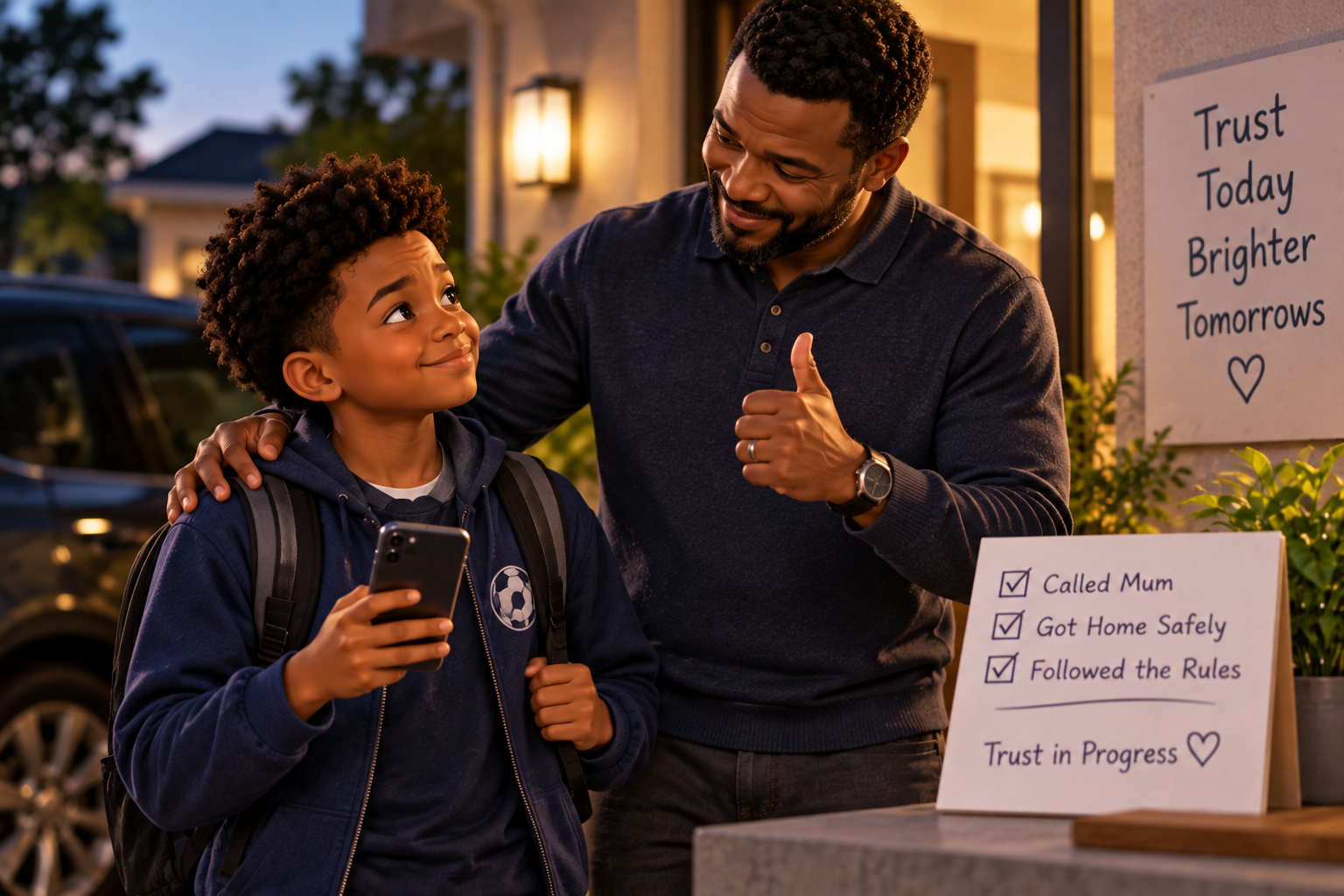
After the match, Raphael called his dad to let him know he was on his way home. Then he put the phone in his bag and didn’t touch it again.
When he got home, his dad was waiting.
“Raphael, I checked the phone history,” his dad said. “You only called me. You didn’t visit any websites. You didn’t play any games.”
Raphael held his breath. “Was that… okay?”
His dad smiled. “That was perfect. You did exactly what we asked. I’m proud of you.”
Raphael felt a warmth in his chest. It felt good to be trusted.
The Second Late Day
A week later, Raphael had another late day. Again, he was given the phone. Again, he only used it to call his parents.
After the third time, his mum said something surprising.
“Raphael, you’ve been doing really well. We’ve noticed. You’ve been responsible. You’ve followed the rules. So we’ve decided something.”
Raphael’s heart raced. “What?”
“We’re going to let you have the phone more often,” his mum said. “Not all the time. But more. Because you’ve earned our trust.”
Raphael’s face lit up. “Really?”
“Really,” his mum said. “But remember—trust is fragile. It takes a long time to build and only a moment to break. Keep making good choices, and we’ll keep giving you more freedom.”
Back at School
At playtime, Raphael found Ella on the playground.
“Guess what?” he said, grinning. “My parents are letting me have the phone more often. They said I’ve earned their trust back.”
Ella smiled. “I knew you could do it.”
“It wasn’t easy,” Raphael admitted. “I wanted to play games. I wanted to visit websites. But I kept thinking about what you said—that trust is built through actions, not words.”
“Exactly,” Ella said. “And now you know. Trust isn’t given. It’s earned.”
Raphael nodded. “I also learned something else. When you break someone’s trust, it hurts them. And it hurts you too. Because you lose something important—the freedom to be trusted.”
Ella nodded. “That’s why it’s so important to make good choices. Even when no one is watching.”
Raphael looked at his friend. “Thank you, Ella. For helping me understand.”
Ella smiled. “That’s what friends are for.”
One Month Later
One month later, Raphael had earned even more trust. His parents allowed him to have the phone on weekends. They allowed him to text his friends. They even allowed him to download a few educational games.
“I’m proud of you, Raphael,” his dad said one evening. “You’ve shown real maturity.”
Raphael smiled. “I learned that trust is like a garden. You have to water it every day with good choices. And if you don’t, it dries up.”
His dad laughed. “That’s a great way to put it.”
Raphael looked at his phone. It wasn’t the latest model. It didn’t have all the apps his friends had. But it represented something more important than that.
It represented trust.
And that was worth more than any game or social media app.
What Raphael and Ella Learned About Trust:
- Trust is earned . You have to show you can be trusted through your actions
- Trust is fragile. It takes a long time to build and a moment to break
- Rules protect you. Parents set rules to keep you safe—not to be mean
- Good choices matter. Make good choices even when no one is watching
- Actions speak louder. Saying “I’m sorry” isn’t enough—you have to show it
- Second chances exist. If you break trust, you can rebuild it with patience
- Trust brings freedom. When you’re trusted, you get more independence
- Be patient. Rebuilding trust takes time—don’t rush it